
How to Plan Your Wedding Reception
A wedding reception should be enjoyed, not managed by the couple. This guide explains the decisions that help the day flow naturally and how an experienced Toastmaster can coordinate the venue, suppliers, guests and formal moments.
Begin with the reception you want
Before fixing a detailed timetable, decide how formal or relaxed you want the reception to feel. Think about whether you want a receiving line, when speeches will take place, whether the cake will be cut before evening guests arrive and whether you want a formal introduction for the first dance.
Ron offers a preliminary telephone consultation before booking. After booking, an initial call establishes the outline plan and a further conversation about one week before the wedding confirms the final details.
A Toastmaster is not a wedding planner
A wedding planner may help design and arrange the whole wedding. A Toastmaster takes the arrangements you have made and helps them work smoothly at the reception: checking the running order, liaising with the people involved, guiding guests and making announcements.
Check the practical details before you commit
A beautiful room is only part of the decision. Ask the venue about:
- exclusive use and whether other weddings or functions will be taking place;
- the number of guests the room can hold comfortably for both the wedding breakfast and evening reception;
- parking, accessible access, toilets and accommodation;
- meal service, bar arrangements and the proposed layout of tables;
- where photographs, the receiving line, cake cutting and evening entertainment will take place;
- the sound system and microphone available for speeches;
- music, decoration, candle and confetti restrictions;
- the wet-weather plan if any part of the day is intended to take place outside.
Ask for the venue's written function sheet or running order and check that it agrees with your own plans. Ron normally works from information supplied by the couple, so tell him about any venue rules or special arrangements.
Build a running order with breathing space
Weddings rarely run to the minute. Photographs take longer, guests need time to move and meals may be delayed. A sensible programme leaves enough room for the day to feel relaxed.
- Guests arrive. Welcome drinks, photographs and time for everyone to settle.
- Receiving line, if wanted. The couple choose who takes part. A full line involving both sets of parents takes longer than the couple alone.
- Entrance to the wedding breakfast. Ron brings the room to attention, announces the couple and escorts them to the top table.
- The wedding breakfast. Ron remains close at hand, liaises with the venue and makes any necessary announcements.
- Speeches and toasts. Ron checks the speakers and microphone, then introduces each person in the agreed order.
- Cake cutting. Ron works with the photographer, gathers guests and organises an opportunity for their own photographs after the official pictures.
- Evening celebration. This may include welcoming evening guests, opening the buffet and introducing the first dance.
Decide who is in charge on the day
The couple should not have to find speakers, chase timings or answer every guest's question. Agree who has authority to make small decisions if the timetable changes. Give the venue, photographer, DJ or band and Toastmaster one another's names and responsibilities.
Ron arrives one hour before his duties begin. He checks the arrangements, introduces himself to the venue team and suppliers, makes sure the people needed for the next stage are ready and provides a clear point of contact for guests.
Welcoming and guiding guests
Guests are more relaxed when they know what is happening. Clear announcements help them move for photographs, take their seats, gather for the cake cutting and understand transport, bar, buffet or other arrangements.
A receiving line is optional. It can be the couple alone, the couple with both sets of parents or another agreed arrangement. If you want one, allow enough time and tell Ron exactly who should be included and how everyone should be introduced.
Plan the speeches before the wedding
Agree who will speak, the order, preferred names and pronunciations, and whether anyone needs help. Ron can advise speakers on content, order and length when requested. As a guide, concise speeches of about eight to ten minutes each usually hold the room better than a series of long speeches.
Ron normally recommends speeches after the wedding breakfast. Guests have eaten, enjoyed a drink and are generally in a relaxed, receptive mood. Speeches before the meal may relieve a nervous speaker, but hungry guests can become impatient. The final decision is always the couple's.
Ron checks the venue's microphone and sound system beforehand and brings a small PA system and microphone as a backup.
Coordinate the important moments
Give the photographer a copy of the running order and discuss the receiving line, entrance, speeches, cake cutting and first dance. Before the cake is cut, Ron works with the photographer to position the couple and obtain the official photographs. He can then invite guests who wish to take their own photographs before the ceremony continues.
Cake cutting and first dance
Decide whether the cake cutting takes place before or after evening guests arrive and confirm who will supply the knife, stand and any decorations. Tell Ron whether he should welcome evening guests, announce the buffet or transport and introduce the first dance. He can remain until after the wedding breakfast or, by agreement, until after the first dance; often the DJ makes that introduction.
Tell Ron about family sensitivities
Every wedding is different and every introduction is personalised. The guide and service apply equally to same-sex and opposite-sex couples. Please provide the preferred names and forms of address for the couple, parents, wedding party and speakers, with pronunciation guidance where useful.
Tell Ron privately about bereavements, separated parents, difficult relationships, mobility needs or anything else that may affect introductions, seating, photographs or announcements. Knowing in advance avoids embarrassment and enables the day to be handled tactfully.
Avoid unwanted surprises
If guests are planning a surprise, ask them to speak to Ron before the day. A surprise involving speeches, entertainment, photographs or a change to the timetable can affect the venue and other suppliers. Ron can help preserve the surprise while checking that it is practical.
Toastmaster and Master of Ceremonies duties
Before the day
Preliminary advice by telephone, an outline-planning conversation and a final details call approximately one week before the wedding.
Before guests enter
Arrive one hour before duties begin, check the arrangements and liaise with venue staff, the photographer and other suppliers.
During the reception
Guide guests, organise the receiving line, announce the couple, escort them to and from the top table and keep the programme flowing.
Formal moments
Introduce speeches, organise cake cutting and photographs, and make other agreed announcements including the first dance.
Presentation
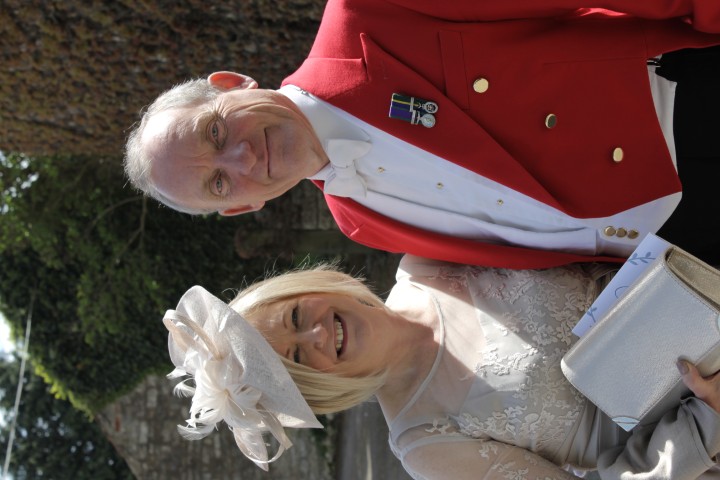
Ron normally wears the traditional red Toastmaster tailcoat. Black tie or a suit can be worn if requested.
Practical requirements
A small table near the top table if possible, a meal and refreshments during a longer booking, and free parking close to the venue.
Information Ron will need
- venue address, date, guest numbers and the agreed start and finish of Ron's duties;
- the full running order, meal timing and venue contact details;
- names, titles and pronunciation for the couple, family members, wedding party and speakers;
- who will take part in the receiving line and the order of speeches;
- plans for the entrance, photographs, cake cutting and first dance;
- details of the photographer, DJ, band or other suppliers with whom Ron may need to liaise;
- any announcements concerning transport, accommodation, bar, buffet or evening guests;
- family sensitivities, access needs and any planned surprises.
Changes do happen. The most useful plan is clear enough for everyone to understand but flexible enough to cope calmly when the day moves slightly ahead of or behind schedule.
Let Ron take care of the proceedings.
Tell us the date, venue, approximate guest numbers, timings and the style of reception you are planning.